
January 27, 2026
Cloud adoption solved infrastructure dependency—but introduced a new challenge: operational complexity. As businesses scale across AWS, Azure, and GCP, the real...
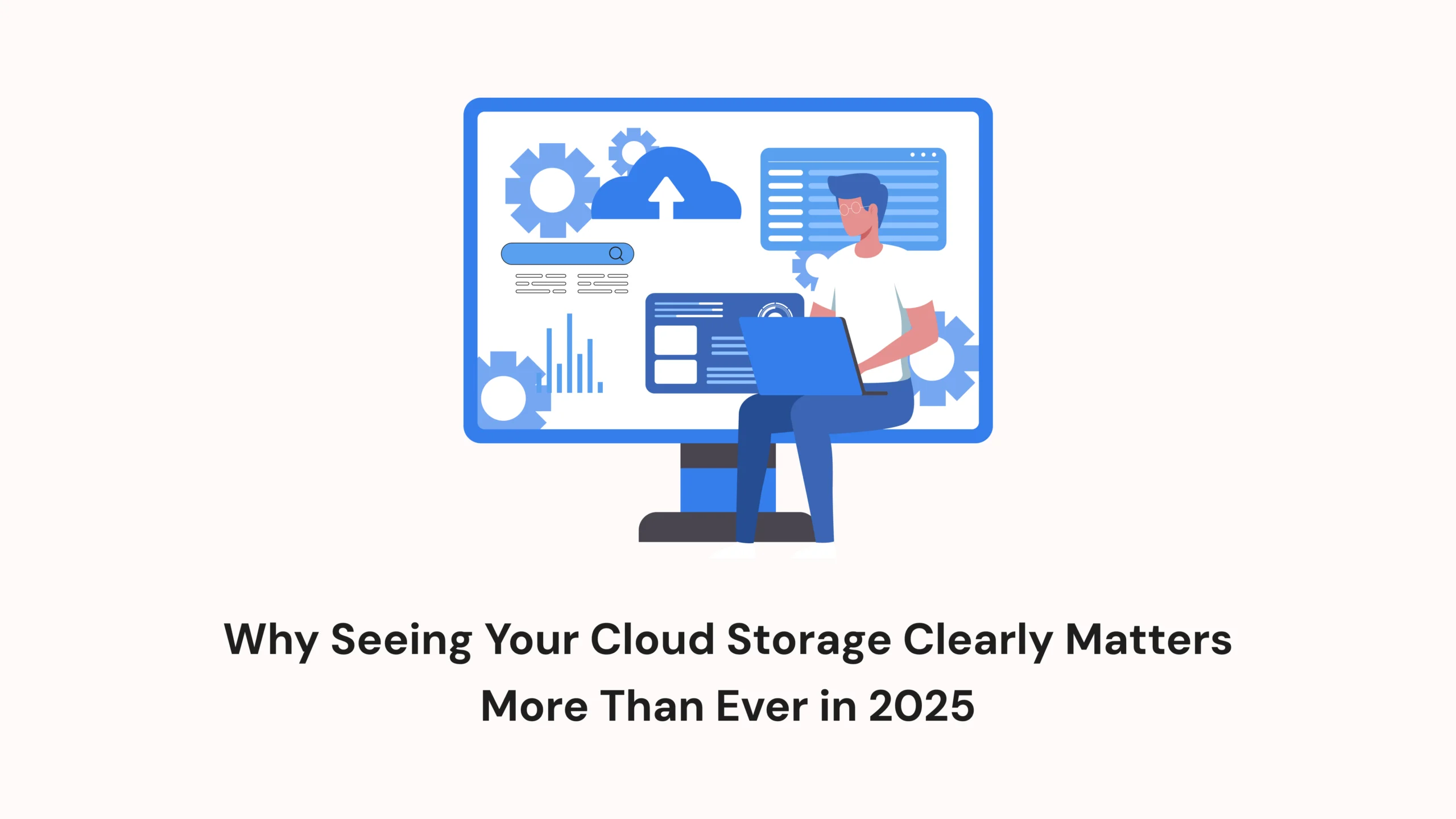
In 2025, businesses are storing more data than ever before, often across AWS, Azure, and Google Cloud at the same time. While this multi-cloud setup gives flexibility, it also creates confusion. When data is spread across multiple platforms, teams often lose visibility—and that’s where problems begin.
Cloud storage is something most teams don’t think about—until something goes wrong.
A missing file.
Unexpected storage costs.
A permission issue that exposes sensitive data.
In 2025, businesses are storing more data than ever before, often across AWS, Azure, and Google Cloud at the same time. While this multi-cloud setup gives flexibility, it also creates confusion. When data is spread across multiple platforms, teams often lose visibility—and that’s where problems begin.
This is why having a multi-cloud storage manager like Fylioo is no longer a “nice to have,” but a necessity.
Most cloud issues don’t come from hackers or system failures.
They come from simple oversights.
When teams manage storage separately in different cloud consoles, these blind spots are almost guaranteed.
That’s where cloud storage visibility becomes critical.
Cloud storage visibility isn’t about fancy dashboards. It’s about clarity.
With proper visibility, you know:
A centralized cloud storage dashboard gives teams confidence instead of guesswork.
When you can clearly see your cloud storage, security improves naturally.
You catch mistakes early
Public buckets, missing encryption, or over-permissioned users stand out immediately.
You reduce human error
Fewer manual checks mean fewer chances to overlook something important.
You simplify compliance
Audits become easier when access, logs, and file activity are visible in one place.
This is exactly what a multi-cloud storage manager is designed to do—bring everything into one clear view.
Cloud costs rarely explode overnight. They slowly creep up.
Common reasons include:
With cloud storage monitoring, teams can spot waste early and take action before costs become a problem.
Clear visibility turns cloud spending from a mystery into something manageable.
Managing multiple clouds doesn’t have to feel overwhelming.
With Fylioo’s multi-cloud storage features, teams can:
Instead of reacting to issues, teams stay in control.
This isn’t just for large enterprises.
Clear storage visibility helps:
Anyone storing data across clouds benefits from a unified cloud storage solution.
As businesses grow, cloud environments become more complex. Trying to manage everything manually only increases risk.
The future of cloud storage is simple:
With the right multi-cloud storage management approach, cloud storage becomes an asset—not a constant worry.
Cloud storage shouldn’t feel confusing or risky.
It should feel clear, controlled, and reliable.
By improving visibility and centralizing management, businesses can reduce risk, control costs, and work with confidence. And with tools like Fylioo cloud storage features, managing multi-cloud storage finally becomes simple.
Cloud storage visibility means having a clear view of where your data is stored, who can access it, how it’s being used, and how it moves across cloud platforms.
In multi-cloud setups, data is spread across AWS, Azure, and GCP. Without visibility, teams risk misconfigurations, security gaps, and rising storage costs.
When teams can’t see permissions, access logs, or storage usage clearly, issues like public buckets, over-permissive access, and unencrypted data often go unnoticed.
Fylioo provides a centralized dashboard that shows storage activity, permissions, file movement, and usage across multiple cloud providers in one place.
DevOps teams, SaaS companies, startups, agencies, and enterprises all benefit by gaining better control, reduced risk, and optimized cloud storage costs.
Cloud adoption solved infrastructure dependency—but introduced a new challenge: operational complexity. As businesses scale across AWS, Azure, and GCP, the real...
A few years ago, cloud storage was considered a background system. It quietly stored files, ran backups, and supported applications without...
Most teams move to the cloud for the same reason — flexibility. You can scale when needed. You can store unlimited...
WhatsApp us