
January 27, 2026
Cloud adoption solved infrastructure dependency—but introduced a new challenge: operational complexity. As businesses scale across AWS, Azure, and GCP, the real...
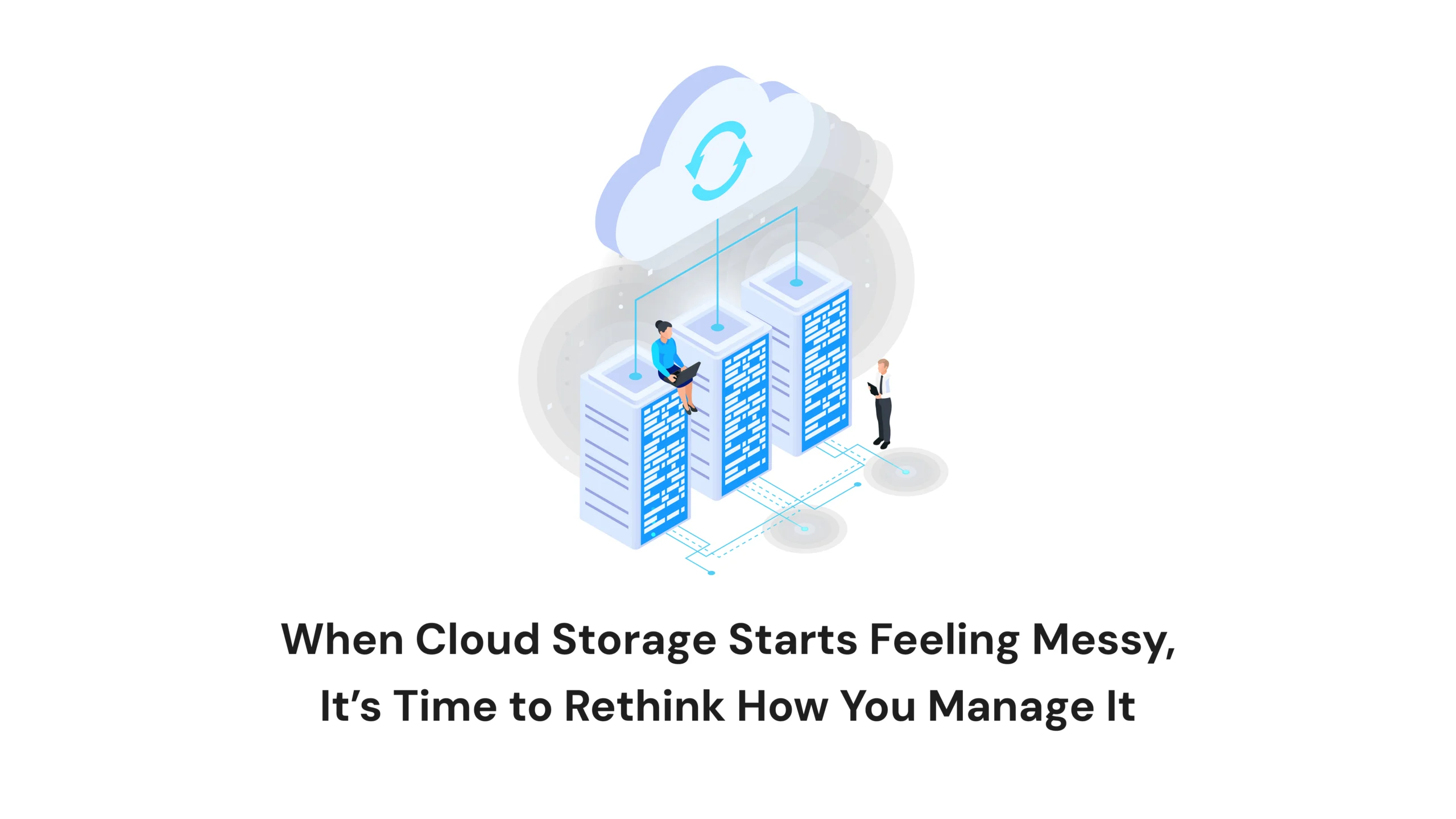
Cloud storage was supposed to make life easier.
Store files.
Scale when needed.
Pay only for what you use.
But somewhere along the way—especially for teams using multiple cloud providers—cloud storage started feeling overwhelming instead of simple.
Cloud storage was supposed to make life easier.
Store files.
Scale when needed.
Pay only for what you use.
But somewhere along the way—especially for teams using multiple cloud providers—cloud storage started feeling overwhelming instead of simple.
Files scattered across platforms.
No clear idea who has access to what.
Rising costs with no obvious reason.
Manual checks that still miss problems.
If this sounds familiar, you’re not alone. And it’s exactly the kind of situation Fylioo is built to solve.
Using AWS, Azure, and Google Cloud together makes sense. Each platform has its strengths. But managing them separately introduces hidden friction.
Teams often struggle with:
Over time, cloud storage becomes something teams react to instead of confidently managing.
That’s where clarity and visibility start to matter more than raw storage capacity.
Good cloud storage management isn’t about adding more tools. It’s about reducing mental load.
When things are set up right:
This level of control is what Fylioo features are designed to provide—especially for teams working across multiple clouds.
Most cloud issues don’t start as breaches. They start as small oversights:
Without visibility, these issues stay hidden.
With a centralized cloud storage view, teams can:
This proactive approach makes cloud security feel manageable instead of stressful.
Instead of asking teams to learn yet another complicated system, Fylioo focuses on simplicity.
With Fylioo, teams can:
The result is fewer surprises and more confidence in how data is handled.
You’ll find deeper insights and real-world use cases in the Fylioo blogs, where cloud challenges are explained in practical, easy-to-understand terms.
Unexpected cloud bills are rarely caused by one big mistake. They usually come from small things adding up:
Clear visibility helps teams spot these issues early.
When you can see usage patterns across clouds, cost optimization becomes a natural byproduct—not a painful cleanup exercise.
Better cloud storage management isn’t just for large enterprises.
It helps:
Any team using more than one cloud benefits from a unified storage approach.
As data continues to grow, cloud environments won’t get simpler on their own. The teams that succeed will be the ones that invest in clarity early.
With the right tools and visibility, cloud storage becomes:
That’s the experience Fylioo aims to deliver—quietly, reliably, and without unnecessary complexity.
Cloud storage should support your work, not slow it down.
When teams can clearly see, manage, and move their data, cloud storage stops being a risk and starts becoming a strength. With a thoughtful, unified approach—powered by Fylioo features—managing cloud storage finally feels simple again.
Multi-cloud storage management is the process of managing data across multiple cloud providers like AWS, Azure, and GCP from a single, unified interface.
As businesses grow, data spreads across platforms, permissions increase, and unused files pile up—making storage harder to track without proper visibility.
Fylioo provides a centralized view of cloud storage, helping teams monitor access, track file activity, manage transfers, and reduce manual work.
Yes. When teams can clearly see permissions, file movement, and storage usage, they can identify misconfigurations early and reduce security risks.
DevOps teams, startups, agencies, SaaS companies, and enterprises using multiple cloud platforms benefit most from unified storage management.
Cloud adoption solved infrastructure dependency—but introduced a new challenge: operational complexity. As businesses scale across AWS, Azure, and GCP, the real...
A few years ago, cloud storage was considered a background system. It quietly stored files, ran backups, and supported applications without...
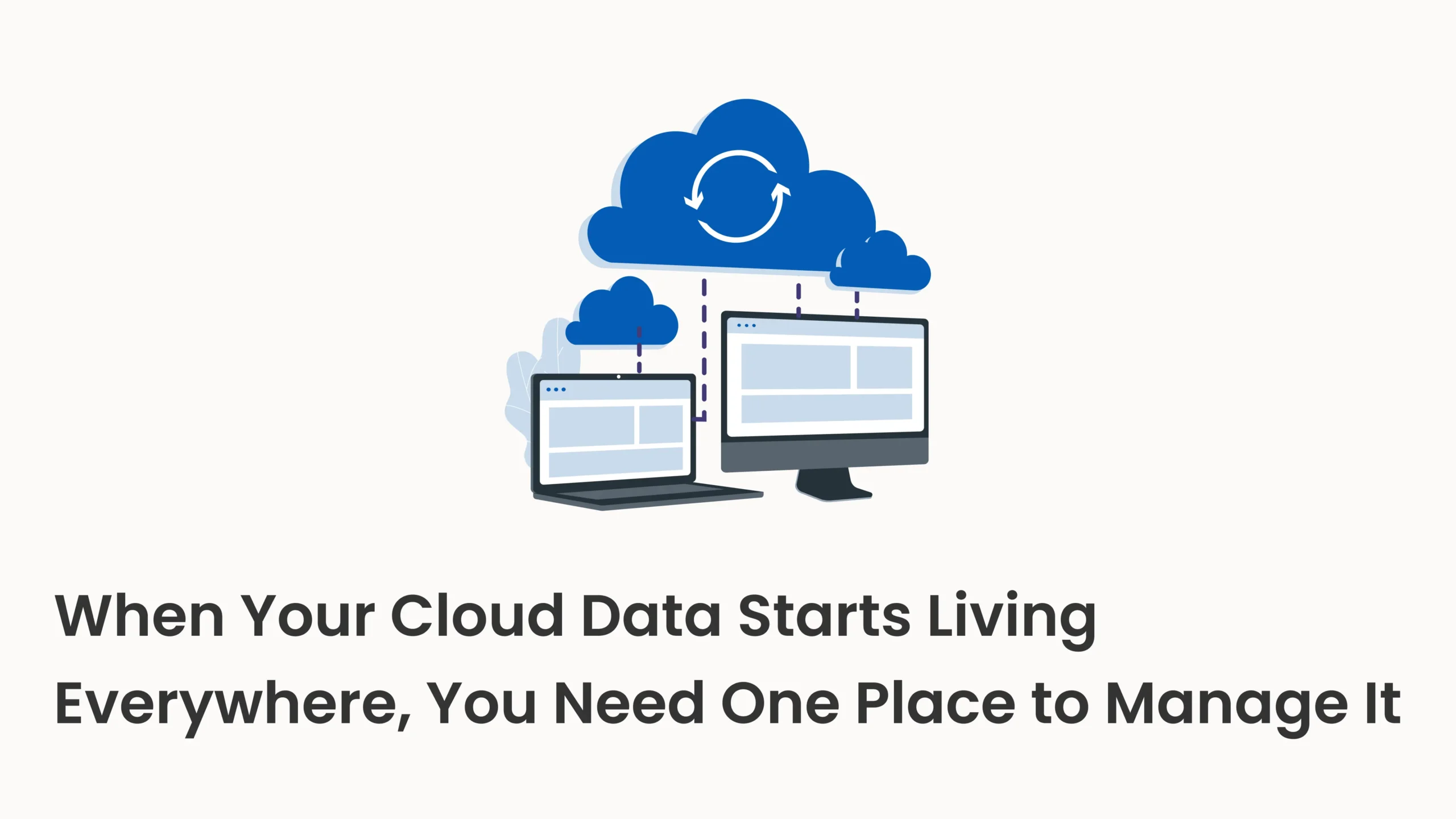
Most teams move to the cloud for the same reason — flexibility. You can scale when needed. You can store unlimited...
WhatsApp us