

January 27, 2026
Cloud adoption solved infrastructure dependency—but introduced a new challenge: operational complexity. As businesses scale across AWS, Azure, and GCP, the real...
Managing cloud costs is no longer optional—it’s critical. With enterprises increasingly adopting multi-cloud infrastructures, cloud cost optimization has become a key strategy to reduce expenses without compromising performance.
Managing cloud costs is no longer optional—it’s critical. With enterprises increasingly adopting multi-cloud infrastructures, cloud cost optimization has become a key strategy to reduce expenses without compromising performance. If you’re managing data across AWS, Azure, and GCP, understanding how to optimize cloud storage costs can help your business scale smarter and faster.
In this guide, we’ll walk through proven techniques, best practices, and cost-saving tools that help reduce cloud storage expenses across major cloud providers—with a special focus on how Fylioo simplifies this process.
Cloud platforms offer unmatched flexibility, but their pay-as-you-go pricing can quickly lead to overspending. Some common reasons include:
Without proper cloud cost management, these issues accumulate into significant waste.
Fylioo was built to solve this—helping teams automatically detect storage inefficiencies and eliminate waste before it snowballs into high bills.
One of the most effective ways to reduce cloud storage expenses is by taking advantage of storage tiering strategies. Each provider offers different classes based on access frequency:
Provider | Hot Tier | Cool/Cold Tier | Archive Tier |
AWS | S3 Standard | S3 Infrequent Access | S3 Glacier |
Azure | Hot | Cool | Archive |
GCP | Standard | Nearline/Coldline | Archive |
By analyzing access patterns, you can move rarely accessed data to lower-cost tiers without affecting performance.
Featured Snippet-style Insight:
To lower cloud costs, move infrequently accessed files to archival tiers like AWS Glacier or Azure Archive. This simple shift can save up to 80% in storage expenses.
Fylioo helps automate this by identifying eligible files and suggesting the right storage class across AWS, Azure, and GCP—no guesswork required.
Manual tracking doesn’t scale in cloud environments. That’s where cloud cost optimization tools help.
These tools provide insights into spending trends, alert you about unused resources, and suggest rightsizing options. Some of the best cloud cost management tools include:
Unlike platform-specific tools, Fylioo provides a centralized view across AWS, Azure, and GCP, enabling unified insights and cost actions—all from a single dashboard.
Optimizing costs isn’t just about tools—it requires a disciplined approach. Here are some cloud cost management best practices to follow:
Following cloud cost optimization best practices consistently can prevent waste before it starts. Fylioo helps enforce these practices through built-in policies and customizable alerts—especially useful for IT and DevOps teams managing large data workloads.
Many teams struggle to manage cloud spending because each platform presents data differently. A unified approach to multi-cloud cost optimization enables better visibility and control.
Tips to optimize AWS, Azure, GCP storage costs:
Fylioo’s platform compares costs across storage services and suggests reallocation options to help you make smarter cloud spending decisions.
Ongoing cloud cost monitoring ensures that your savings stick. Tools like Fylioo, native dashboards, and third-party solutions help track:
Fylioo’s intelligent monitoring engine flags anomalies in real-time and ensures your storage strategy stays optimized—no matter the scale or cloud provider.
Reducing cloud storage costs doesn’t mean cutting corners. It means making smarter, data-driven decisions—and using the right mix of tools, automation, and governance. Whether you’re focused on AWS cloud cost management, Azure savings, or GCP efficiencies, the strategies above help you scale responsibly while improving ROI.
Fylioo empowers your team to reduce waste, control spending, and optimize storage across platforms—without adding complexity. If your business is serious about efficiency, it’s time to take control of your cloud costs.
The most effective ways include implementing storage tiering, deleting unused volumes, automating cost tracking with tools like Fylioo, and applying lifecycle policies. These cloud cost optimization strategies reduce waste and enhance visibility.
Top tools include AWS Cost Explorer, Azure Cost Management, GCP Billing, and Fylioo—which specializes in unified cloud cost management for storage across all major providers.
Compressing data, deduplicating backups, archiving old files, and deleting unused volumes all help reduce cloud storage expenses. Fylioo assists by surfacing actionable insights across AWS, Azure, and GCP environments.
Cloud adoption solved infrastructure dependency—but introduced a new challenge: operational complexity. As businesses scale across AWS, Azure, and GCP, the real...
A few years ago, cloud storage was considered a background system. It quietly stored files, ran backups, and supported applications without...
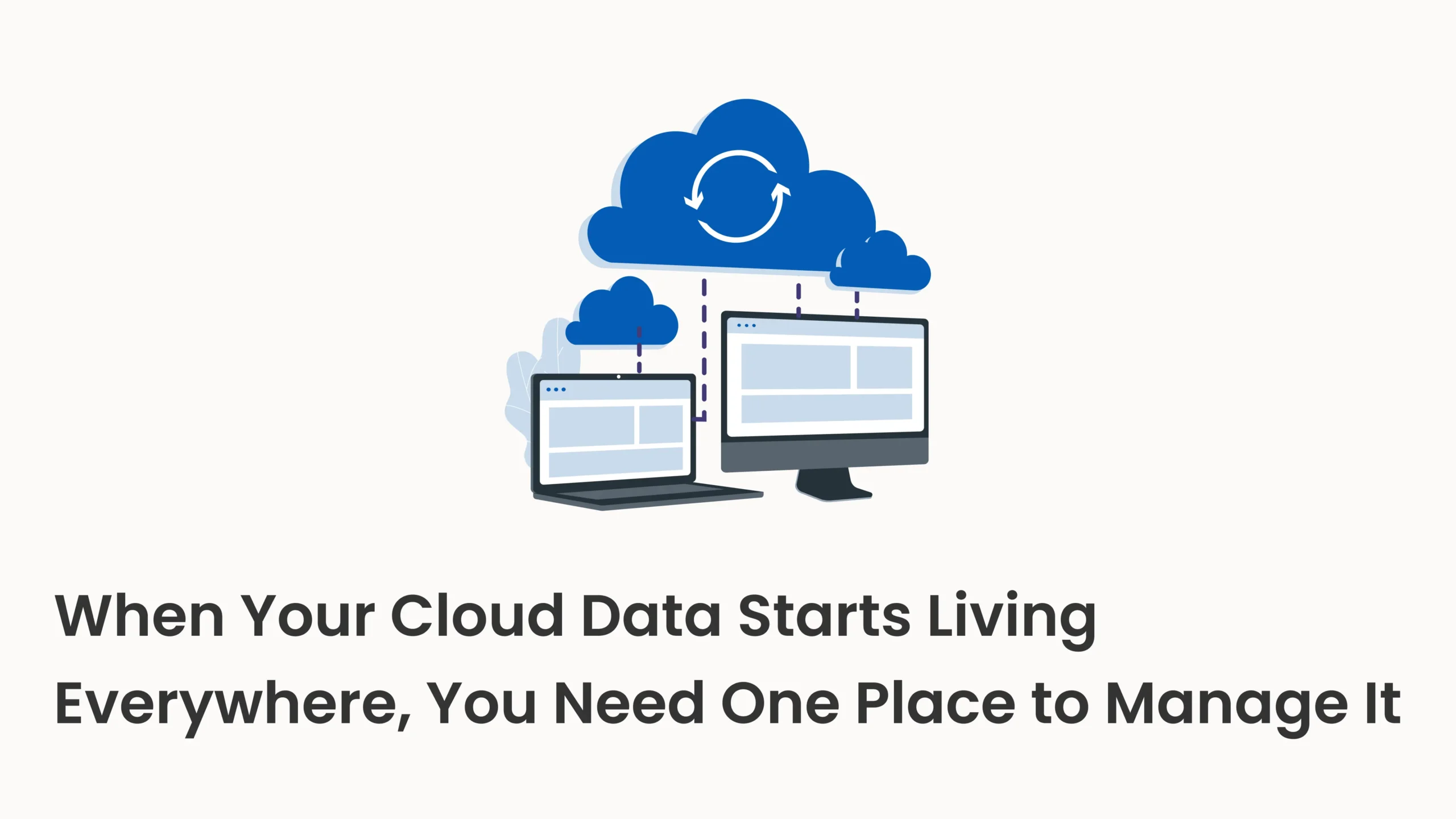
Most teams move to the cloud for the same reason — flexibility. You can scale when needed. You can store unlimited...
WhatsApp us